

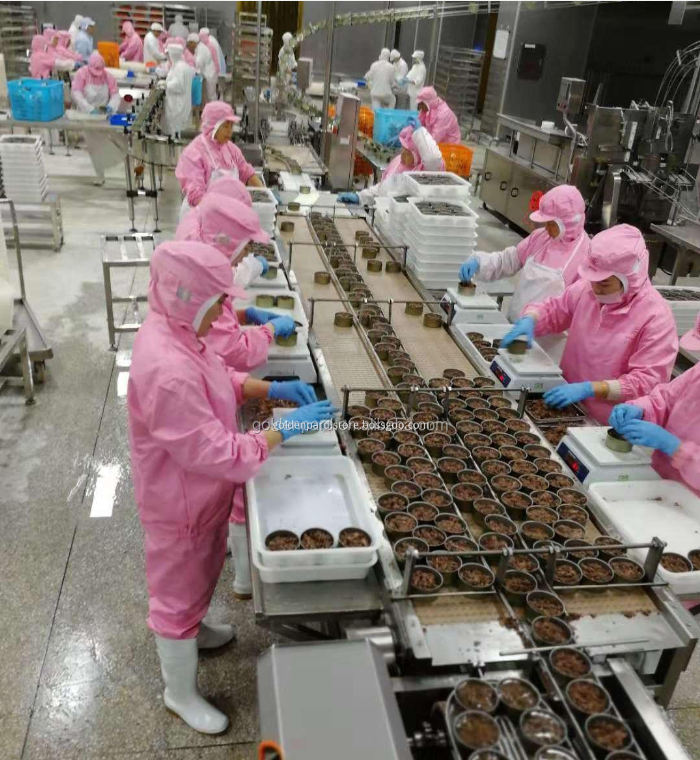
Definition
Fish Processing Lines encompass a range of integrated machinery and equipment designed specifically for handling, processing, and packaging fish products efficiently. These lines cater to various stages of fish processing, from initial cleaning and filleting to final packaging and labeling, ensuring hygiene, safety, and product quality throughout the process.
Types of Fish Processing Lines
-
Fish Processing Line: The most comprehensive category, encompassing all essential steps in fish processing, including cleaning, gutting, scaling, filleting, trimming, washing, and sometimes even marinating and seasoning. This line can be fully automated or semi-automated, depending on customer requirements and production scale.
-
Fish Filling Processing Line: Focuses specifically on the filling of fish-based products into cans, jars, or other containers. It typically includes machines for portioning, filling, and sealing, ensuring consistent product weight and extended shelf life.
-
Semi-Automatic Fish Filling Processing Line: A more cost-effective solution for smaller-scale operations. This line combines manual labor with automated machinery for critical tasks like filling and sealing, reducing labor intensity while maintaining flexibility and control over the process.
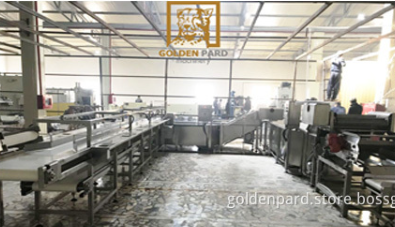
Features and Advantages
- Efficiency: Automates repetitive tasks, significantly increasing production speed and reducing labor costs.
- Hygiene & Safety: Ensures strict adherence to food safety standards, minimizing contamination risks and enhancing product quality.
- Customization: Offers flexibility in design and configuration to meet specific processing needs, from different fish species to varying packaging requirements.
- Consistency: Maintains consistent product quality, size, and weight, enhancing consumer satisfaction and brand reputation.
- Cost-Effectiveness: Long-term savings due to reduced waste, increased productivity, and potential energy savings from efficient machinery.
Usage Considerations
- Raw Material Handling: Ensuring timely and efficient delivery of fresh fish to the processing line is crucial for maintaining product quality.
- Maintenance: Regular maintenance and cleaning of equipment are essential to prevent breakdowns, ensure hygiene, and prolong equipment lifespan.
- Training: Operators require adequate training to handle machinery safely and efficiently, maximizing production potential.
- Space Requirements: Careful planning is necessary to ensure the processing line fits within available space, with ample room for material handling and personnel movement.
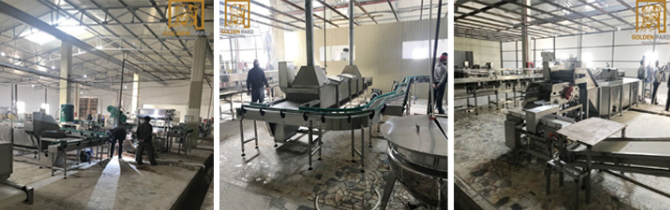
Maintenance
- Routine Checks: Daily inspections of all equipment for wear and tear, leaks, or malfunctions.
- Cleaning: Thorough cleaning after each production cycle to remove residue and prevent bacterial growth.
- Lubrication: Regularly lubricating moving parts to reduce friction, wear, and heat generation.
- Spare Parts: Keeping a stock of common spare parts to minimize downtime in case of unexpected breakdowns.
- Documentation: Maintaining detailed maintenance records for tracking equipment performance, identifying trends, and planning for future upgrades or replacements.
Conclusion
Fish Processing Lines, including Fish Filling Processing Lines and Semi-Automatic Fish Filling Processing Lines, represent a vital component of modern fish processing industries. By automating critical tasks and ensuring hygiene, safety, and consistency, these lines empower businesses to enhance productivity, reduce costs, and meet the evolving demands of consumers and regulatory bodies. With proper maintenance and strategic planning, these lines can serve as a cornerstone for sustainable growth and success in the competitive fish processing market.
In addition to this product, the company also has many excellent products such as Fish Processing Lines, Sardine and Tuna Can Production Lines, Metal Lid / Ring / Bottom and a series of other products that have also received widespread attention and unanimous praise.
Our company has decades of experience in the industry and has always adhered to the principle of service first and customer first, and implemented this principle into every product. I look forward to hearing from you.